
How Can Massage Therapy Improve My Health and Wellness?
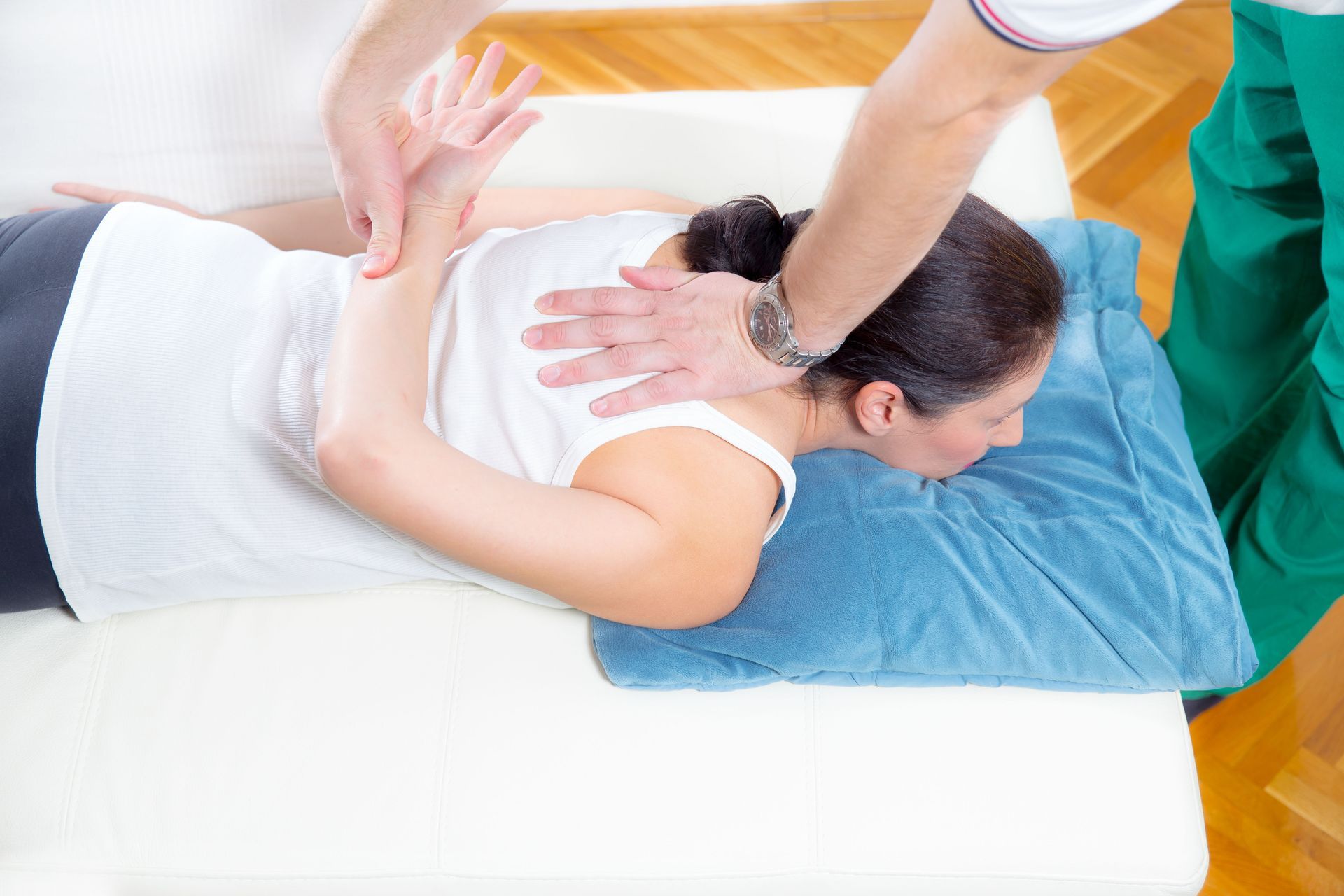
Massage therapy is often used as part of a broader approach to physical wellness and chiropractic care. When combined with other supportive services such as spinal adjustments and rehabilitative treatments, it may help promote relaxation, ease muscular tension, and support overall physical comfort. Many wellness-focused care plans incorporate therapeutic massage alongside chiropractic techniques to support mobility and day-to-day function.
In many cases, massage therapy is included as part of a routine approach to managing physical tension that can build up over time due to work, posture habits, or general daily activity. It is often scheduled alongside other in-office services as part of an overall care plan designed to support physical well-being in a structured way. This approach is commonly used to help create consistency in how the body is supported over time.
According to the American Massage Therapy Association, in 2022, 49% of consumers who got a massage for health and wellness reasons stated it was part of a treatment plan from a doctor or medical provider. This reflects how massage therapy is often included within broader care strategies that focus on physical wellness and ongoing support. It is commonly used alongside other forms of care to help address everyday tension and maintain general physical comfort. This type of integration highlights how massage can fit into structured wellness routines.
Relaxing Support of Stress Relief
Massage therapy can help the body unwind by easing muscle tightness and encouraging relaxation. Within a chiropractic care setting, it is commonly used to support patients who experience physical stress or tension related to posture, movement patterns, or daily activity. This type of care may help create a greater sense of overall physical ease.
By working alongside spinal adjustments and other therapeutic treatments, massage can be part of a comprehensive approach to improving how the body feels and functions throughout the day. It is often scheduled in a way that complements other in-office services to support a more balanced care experience. This coordinated approach helps integrate multiple forms of physical support.
In addition, many individuals find that setting aside time for massage therapy provides a structured opportunity to slow down and focus on physical comfort. This can be particularly helpful for those with busy routines or physically demanding schedules, where tension may gradually accumulate in different areas of the body. Over time, this type of routine may help support a more consistent sense of ease.
Improved Support of Circulation and Tissue Function
Therapeutic massage may help encourage healthy blood flow to muscles and soft tissues. Improved circulation can support the body's natural processes for maintaining and repairing tissue, especially when combined with chiropractic care focused on spinal alignment and mobility. This combination is often used within broader wellness plans.
This combined approach is often used to support overall musculoskeletal function and physical comfort in daily movement. It may be incorporated into care routines that focus on maintaining balanced physical performance throughout regular activity. Over time, these types of supportive methods are often used together in structured care planning.
Massage therapy is often incorporated into care plans that aim to support general tissue function over time. It may be used alongside other therapeutic methods as part of a broader effort to help the body maintain balanced physical performance throughout regular daily activities. This can be especially helpful when addressing general physical strain from everyday movement.
Effective Support of Muscle Comfort and Pain Management
Massage therapy is commonly used to help address muscle tightness and areas of discomfort. It can be incorporated into a broader care plan that includes chiropractic adjustments, spinal decompression therapy, and soft tissue techniques designed to improve function and reduce physical strain. These combined services are often scheduled in a complementary way.
In this context, massage serves as a supportive tool to help the body move more comfortably and efficiently. It is often included as part of a structured approach to managing muscle tension in different areas of the body. This allows care to be adjusted based on individual physical needs.
It is also often used in situations where certain muscle groups feel overworked or tense from repetitive movement patterns or prolonged physical positioning. As part of a larger care approach, it may be scheduled in combination with other services that focus on improving overall musculoskeletal balance. This helps support a more integrated approach to physical care.
Flexible Support of Mobility and Range of Motion
When muscles become tight or restricted, movement can feel limited. Massage therapy may help relax surrounding soft tissue, which can contribute to improved mobility and range of motion. This is often beneficial when paired with chiropractic adjustments that focus on alignment and joint function.
Over time, this combination of care can support smoother, more comfortable movement in daily activities. It may be incorporated into ongoing plans that focus on maintaining functional movement patterns. These types of plans often evolve based on physical needs.
It may also be included in ongoing care plans that focus on maintaining functional movement patterns during regular activity. This can be especially relevant for individuals who experience stiffness after long periods of sitting, standing, or repetitive motion. Regular care scheduling is often used to support consistency.
Comprehensive Support of Recovery and Overall Wellness
Massage therapy can be included in a broader wellness plan that may also involve spinal adjustments, spinal decompression therapy, electrical muscle stimulation, and instrument-assisted soft tissue techniques. These services work together to support the body's ability to function and recover from everyday physical strain. Each service contributes in a different way to overall care.
Nutritional guidance and wellness planning may also be incorporated into care strategies to support long-term health goals. These additional supports are often used alongside in-office treatments to create a more complete approach. Together, they help structure ongoing care over time.
Within this type of care structure, therapeutic sessions are often used as one part of a more comprehensive approach that addresses different aspects of physical function. It may be scheduled periodically as part of an ongoing routine designed to support overall body maintenance and comfort. This allows care to remain flexible while still structured.
Balanced Support of General Well-Being
Beyond physical benefits, massage therapy is often used to promote a general sense of relaxation and well-being. Many individuals include it as part of ongoing chiropractic care to help maintain comfort and manage the physical demands of daily life. It is commonly incorporated into broader wellness routines.
When used consistently within a care plan, it can contribute to a more balanced feeling of physical ease and overall wellness. This may support a sense of continuity in how the body is cared for over time. Many people choose to include it as part of regular wellness scheduling.
It is also commonly selected as part of a broader personal wellness routine, especially for those who prefer combining multiple forms of supportive care. Over time, this can become a consistent part of maintaining day-to-day physical comfort. These routines often evolve based on personal comfort needs.
Massage therapy can be a valuable part of a comprehensive chiropractic and wellness approach. When combined with spinal adjustments, decompression therapy, and other supportive treatments, it may help promote mobility, physical comfort, and overall functional wellness. At Bittel Chiropractic & Wellness Center, massage therapy is offered as part of an integrated care approach designed to support spinal health, soft tissue function, and overall well-being.








Share On: